Pioneering Immunology Research for a Healthier World

The National Institute of Immunology (NII) is an autonomous premier research institution under the Department of Biotechnology, Government of India. We are dedicated to advanced research in immunology, infectious diseases, and vaccine development to address global health challenges.

Explore Our Research Contact Us

Scientific research at NII

About National Institute of Immunology

Our Mission & Vision

The National Institute of Immunology was established in 1981 with the mandate to conduct advanced research in immunology and related disciplines. Our vision is to become a global leader in immunological research and translate scientific discoveries into innovative healthcare solutions.

Located in the heart of New Delhi, NII operates as an autonomous institution under the Department of Biotechnology, Government of India. We foster a multidisciplinary research environment where scientists collaborate across specialties to unravel the complexities of the immune system.

Our research spans from basic immunological mechanisms to applied clinical research, with particular emphasis on infectious diseases, autoimmune disorders, cancer immunology, and reproductive health. The institute is equipped with state-of-the-art infrastructure that supports cutting-edge research in molecular biology, cell biology, structural biology, and bioinformatics.

Advanced Research

World-class laboratories and instrumentation

Research Training

Ph.D. and postdoctoral programs of excellence

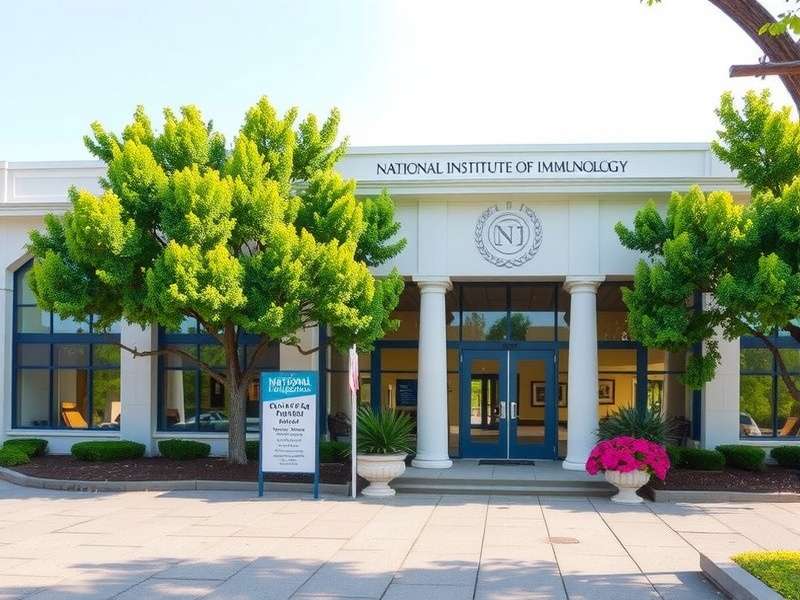
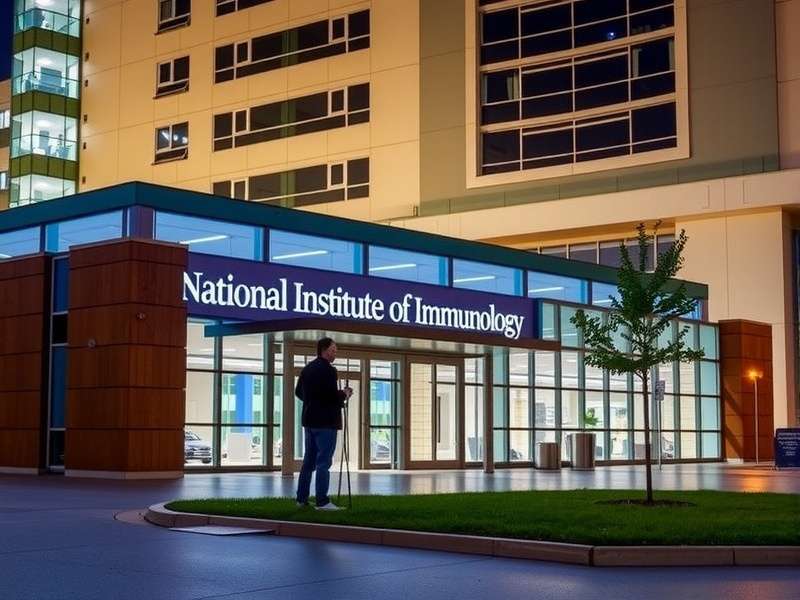
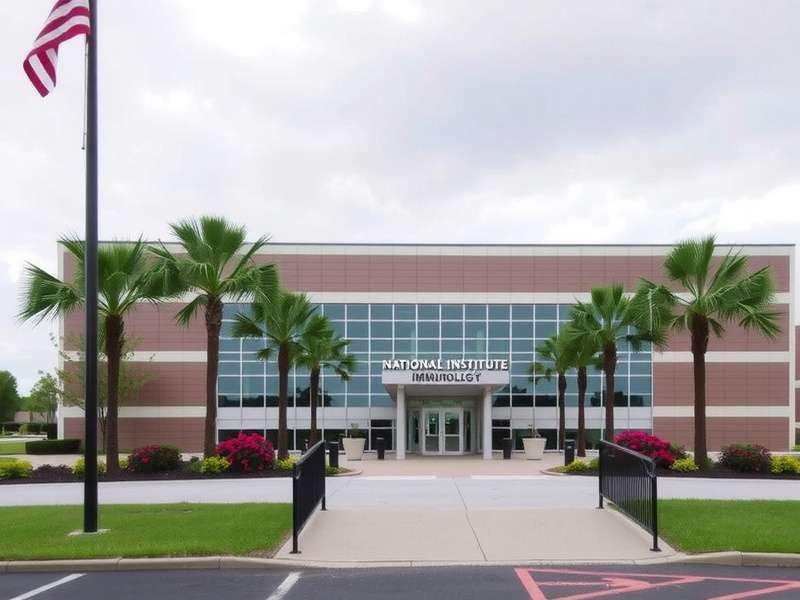
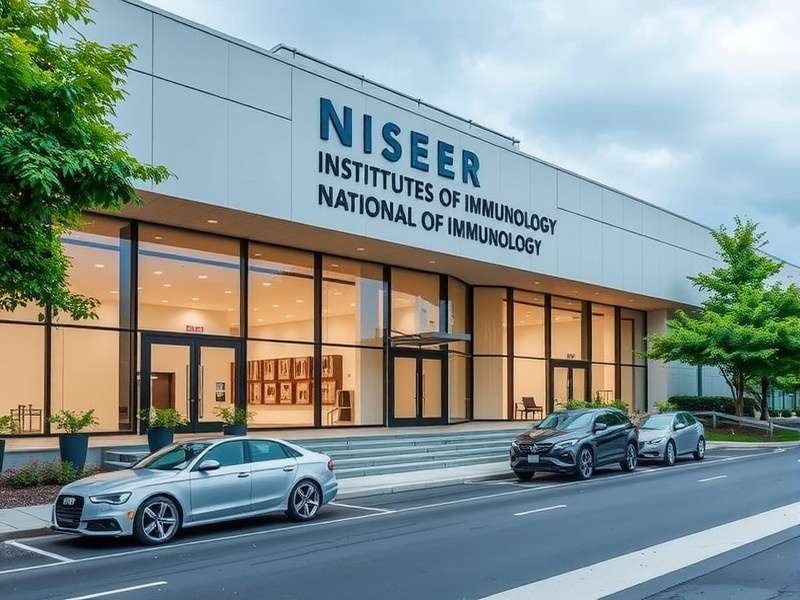
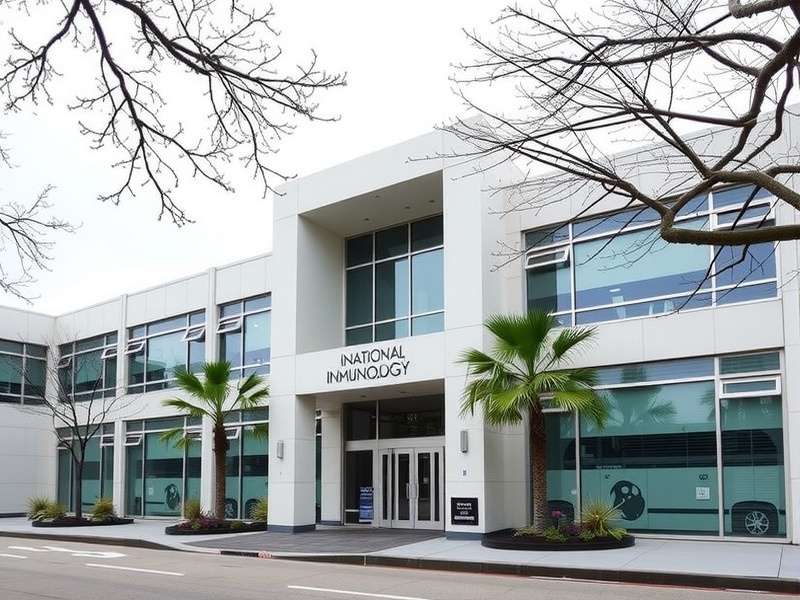
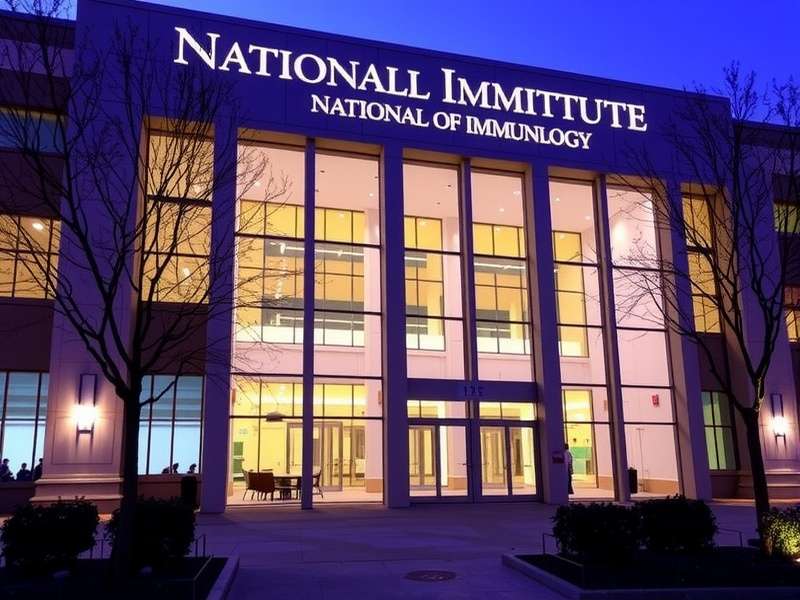
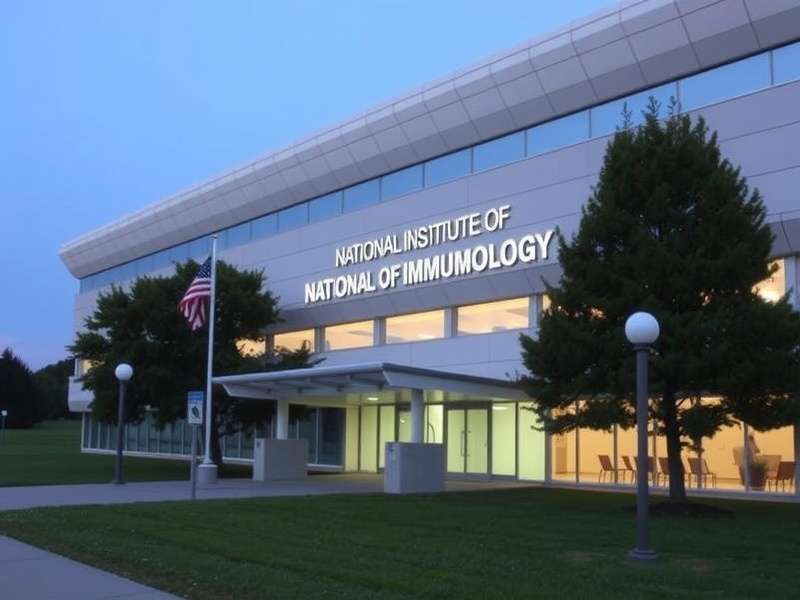
NII Campus building
Our Campus

The NII campus spans over 10 acres in Aruna Asaf Ali Marg, New Delhi, housing advanced research facilities, administrative buildings, student hostels, and a library with extensive digital resources.

Explore Facilities
40+
Research Laboratories
200+
Scientific Staff
150+
Research Publications/Year
25+
International Collaborations

Research Focus Areas

Our research addresses fundamental questions in immunology and translates findings into therapeutic applications.

Infectious Diseases

Developing novel vaccines and therapeutics for tuberculosis, malaria, HIV/AIDS, and emerging pathogens. Our researchers study host-pathogen interactions to identify new targets for intervention.

  • Tuberculosis vaccine development
  • Antimalarial drug discovery
  • Viral immunology

Cancer Immunology

Investigating tumor microenvironment, immune evasion mechanisms, and developing immunotherapies. We explore checkpoint inhibitors, CAR-T cells, and cancer vaccine strategies.

  • Tumor microenvironment analysis
  • Immunotherapy development
  • Biomarker discovery

Autoimmunity & Inflammation

Understanding mechanisms of immune tolerance breakdown and developing treatments for rheumatoid arthritis, multiple sclerosis, and inflammatory bowel diseases.

  • Regulatory T cell biology
  • Cytokine signaling networks
  • Animal models of autoimmunity

Reproductive Immunology

Studying immunological aspects of pregnancy, fetal development, and fertility. Research includes implantation, placental development, and immunology of reproductive disorders.

  • Maternal-fetal tolerance
  • Immunology of infertility
  • Contraceptive vaccine development

Structural Biology

Using X-ray crystallography, cryo-EM, and NMR to determine structures of immune receptors, antigens, and signaling molecules to inform rational drug design.

  • Protein structure determination
  • Macromolecular complexes
  • Structure-based drug design

Computational Immunology

Applying bioinformatics, machine learning, and systems biology approaches to analyze large-scale immunological data and model immune system dynamics.

  • Immunoinformatics
  • Systems immunology
  • Vaccine epitope prediction

Research Highlights

Academic Programs

NII offers premier research training programs to nurture the next generation of immunologists and biomedical scientists.

Ph.D. Program in Immunology

Our flagship doctoral program admits students through the Joint Graduate Entrance Examination for Biology and Interdisciplinary Life Sciences (JGEEBILS). Students undertake rigorous coursework followed by intensive laboratory research.

  • Duration: 5-6 years
  • Intake: 20-25 students annually
  • Stipend: ₹31,000 - ₹35,000 per month
  • Specializations: Molecular Immunology, Cellular Immunology, Infectious Diseases, Structural Biology, Bioinformatics

The program emphasizes interdisciplinary training with access to cutting-edge technologies and collaborative research opportunities.

Postdoctoral Fellowships

NII offers competitive postdoctoral positions for recent Ph.D. graduates to conduct independent research under the mentorship of senior faculty. Fellows receive training in grant writing, project management, and scientific communication.

  • Duration: 2-3 years (extendable)
  • Fellowship: ₹47,000 - ₹54,000 per month
  • Opportunities: DBT, Wellcome Trust, ICMR fellowships
  • Benefits: Conference travel support, research grants, career development workshops

Our postdoctoral alumni have secured faculty positions at leading institutions worldwide and positions in biotech and pharmaceutical industries.

NII offers summer research fellowships for undergraduate and postgraduate students from Indian universities. Selected students work on research projects for 8-10 weeks under the guidance of NII faculty.

Eligibility: Students pursuing B.Tech/B.E., M.Sc., or MBBS in relevant disciplines with excellent academic records.

Application Period: November to January annually

Stipend: ₹10,000 per month plus accommodation

Many summer fellows continue to pursue research careers and join NII's Ph.D. program.

NII welcomes national and international scientists for short-term collaborative visits. The program facilitates knowledge exchange, technology transfer, and initiation of joint research projects.

Duration: 1 week to 6 months

Support: Accommodation and per diem provided

Application: Through formal invitation by NII faculty

Core Facilities

NII houses state-of-the-art research infrastructure managed by expert technical staff.

Genomics & Proteomics

Next-generation sequencing platforms (Illumina NovaSeq, MiSeq), real-time PCR systems, mass spectrometry (LC-MS/MS), protein purification systems, and microarray scanners.

Imaging & Microscopy

Confocal microscopy, super-resolution microscopy, live-cell imaging, electron microscopy (TEM, SEM), and image analysis workstations with advanced software.

Bioinformatics

High-performance computing cluster, bioinformatics software suite, genomic databases, and dedicated staff for computational analysis support.

Flow Cytometry

Multi-laser flow cytometers with cell sorting capabilities (BD FACSAria, Beckman Coulter MoFlo), spectral analyzers, and dedicated BSL-2 sorting facilities.

Animal Facility

AAALAC-accredited specific pathogen-free (SPF) animal facility with transgenic/gene knockout mouse generation, imaging, and behavioral testing capabilities.

Structural Biology

X-ray crystallography setup, cryo-electron microscopy, NMR spectroscopy, and computational modeling workstations for protein structure determination.

Recent Publications

NII researchers consistently publish in high-impact peer-reviewed journals.

Structural basis of T cell receptor specificity and cross-reactivity in immune recognition

Authors: Sharma A., Patel R., Singh M., et al. | Journal: Nature Immunology | Year: 2023 | Impact Factor: 31.25

This study reveals how T cell receptors achieve specificity while maintaining cross-reactivity, with implications for autoimmune disease and vaccine design.

A novel vaccine platform using self-assembling protein nanoparticles induces protective immunity against malaria

Authors: Kumar S., Desai V., Nair R., et al. | Journal: Science Translational Medicine | Year: 2023 | Impact Factor: 17.99

Development of a nanoparticle-based malaria vaccine that elicits broad and durable antibody responses in preclinical models.

Gut microbiota-derived metabolites regulate intestinal immune homeostasis and protect against colitis

Authors: Mehta P., Joshi A., Reddy K., et al. | Journal: Cell Host & Microbe | Year: 2023 | Impact Factor: 21.02

Identification of specific bacterial metabolites that promote regulatory T cell differentiation and suppress intestinal inflammation.

Single-cell atlas of human T cell exhaustion reveals novel targets for cancer immunotherapy

Authors: Verma R., Gupta S., Yadav P., et al. | Journal: Immunity | Year: 2022 | Impact Factor: 32.48

Comprehensive profiling of exhausted T cells across multiple cancer types identifies new surface receptors for therapeutic targeting.

Contact Us

Get In Touch

Address

Aruna Asaf Ali Marg, Near JNU Campus
New Delhi 110067, India

Phone

+91-11-26717100
+91-11-26717101 (Administration)

Email

[email protected]
[email protected] (Academic queries)

Fax

+91-11-26717102

Send a Message